Beyond the Beauty: Exploring the Values of Humanics
Immerse yourself in a tranquil oasis where art meets nature, and experience the profound connection between humanity and the environment.
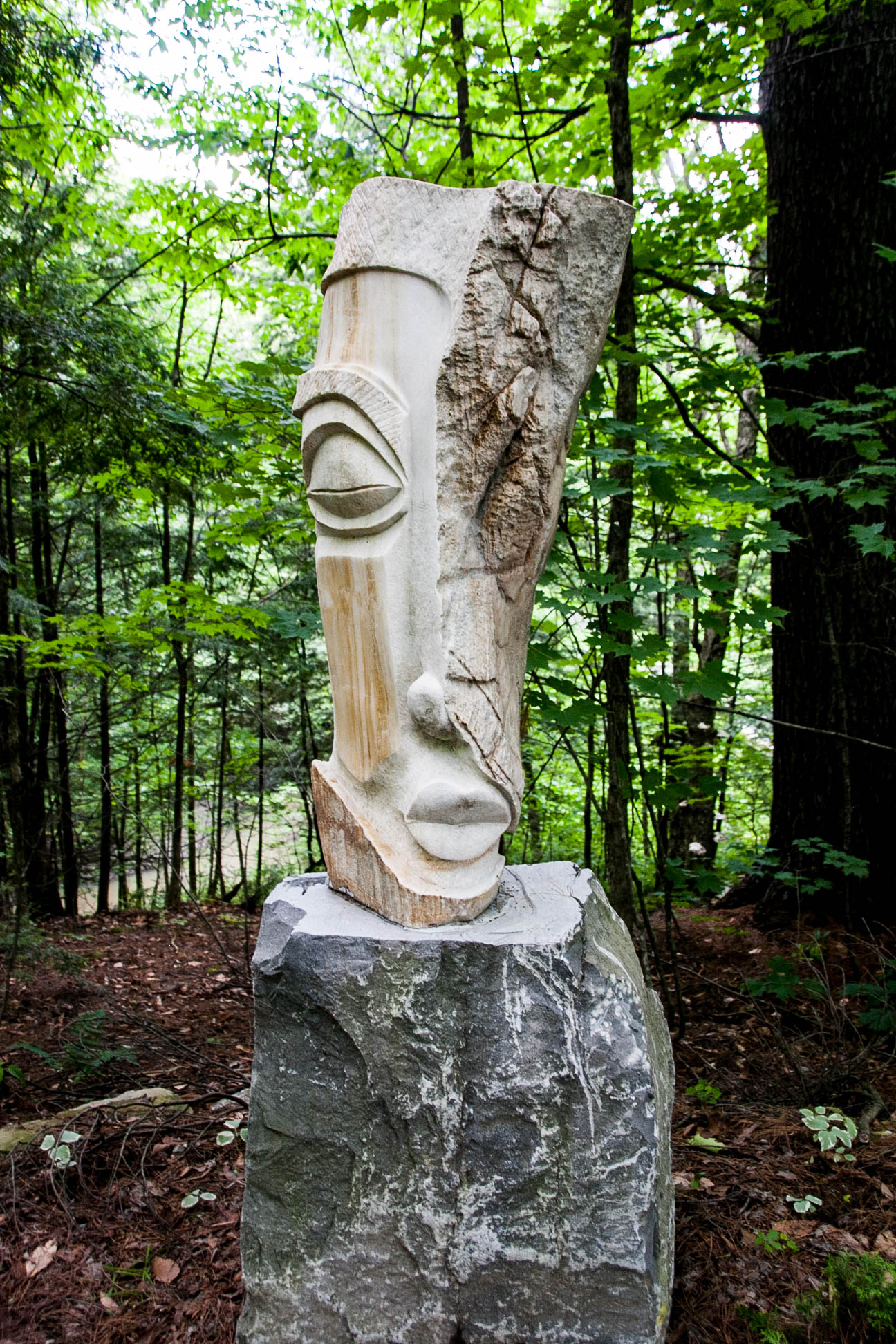
The Sanctuary & Sculpture Park.
We see many visitors each year who come to our sculpture park for the art, fresh air, and the chance to escape the noise of daily life. But at the Humanics Sanctuary and Sculpture Park, we aim not only to create a relaxing and meditative space, but to educate visitors on the core values and principles of the Humanics Institute.
If you’ve visited us recently, you may have noticed the deep intentionality behind our layout. Here is a look at the three core pillars that guide everything we do here.
Ready to Explore?
The Three Pillars of Humanics.
1. Oneness of Reality
2. Human Dignity and Respect
3. Connectedness
We believe in the existence of an infinite, spiritual realm that encompasses all of time and space. While this “Absolute” may exist beyond our full sensory perception, human beings have long sought to understand it through prayer, meditation, and revelation. Our sanctuary celebrates the diverse ways humanity has envisioned this oneness—whether through various cultural, religious, or philosophical traditions—and encourages reflection on our own place within that vast, interconnected existence.
We recognize that every human being is born free, equal in dignity, and endowed with rights. In this framework, no person holds arbitrary “power” over another; instead, we are responsible beings, accountable for the authority we exercise and the roles we hold. We believe everyone deserves a fair opportunity to achieve their full potential, while holding the freedom to form their own beliefs about their relationship with the universe.
Everything within our universe is deeply interrelated. Our connection to the natural and cosmic world is a vital part of the “Oneness of Reality.” This principle teaches us that our actions have lasting consequences, stretching from the past into the future. It reminds us that no aspect of knowledge or existence is truly separate; rather, all things are woven together in a complex, symbiotic web. By fostering a deeper awareness of this relationship, we hope to inspire greater respect for the environment that sustains us.
Finding Common Ground: A Global Perspective
What makes these three principles truly powerful is their universality. They aren’t just local ideas; they are themes that have appeared across human history, woven into the fabric of the world’s great religions and philosophies.
When we look at the Oneness of Reality, the Dignity of the Human Being, and our Connectedness to the Environment, we see them reflected in the wisdom of traditions worldwide:
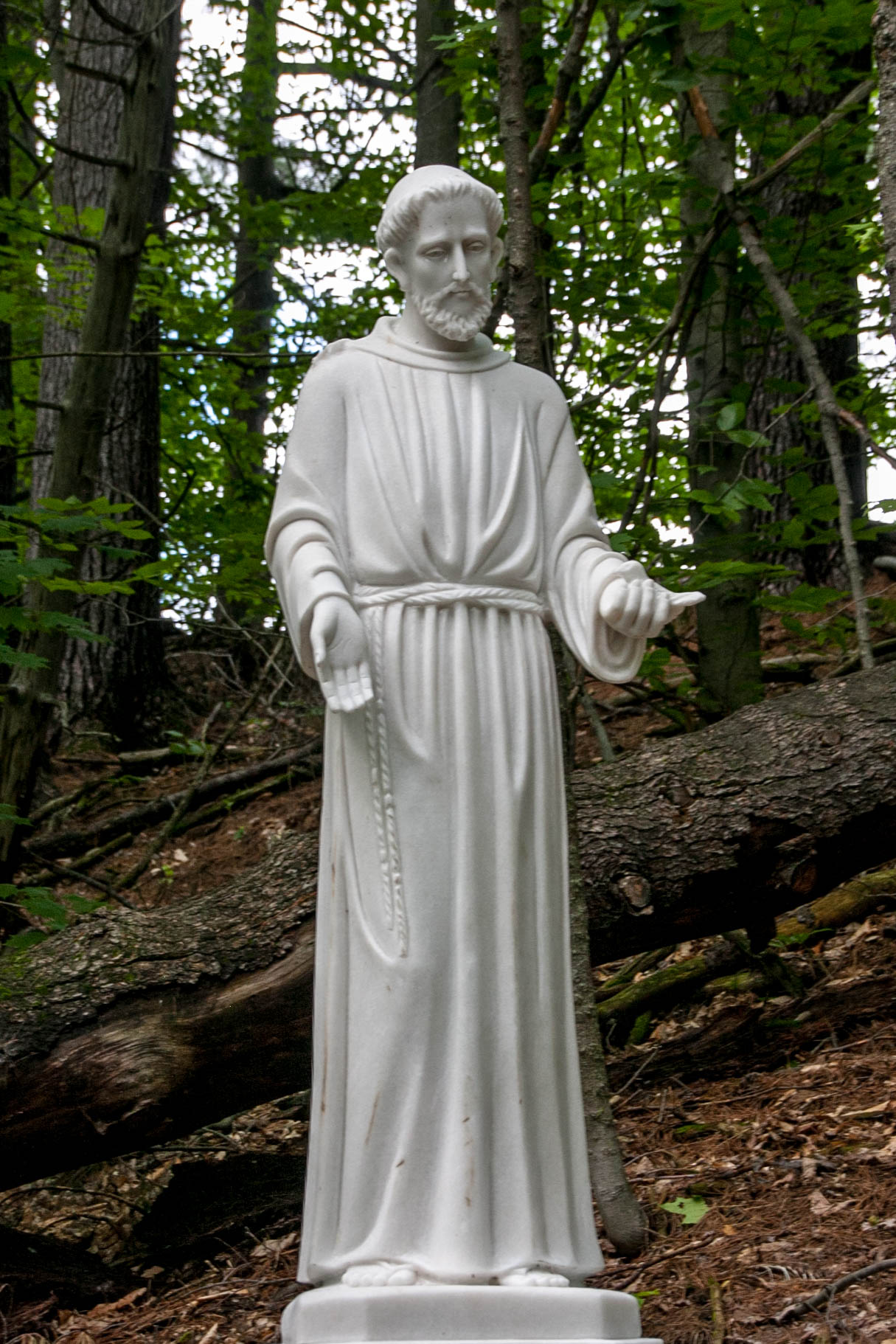
In the Christian tradition,
these values are often understood through the lens of a Trinity—God the Father (the source/oneness), Christ (the dignity and responsibility of the human path), and the Holy Spirit (the cosmic connection).
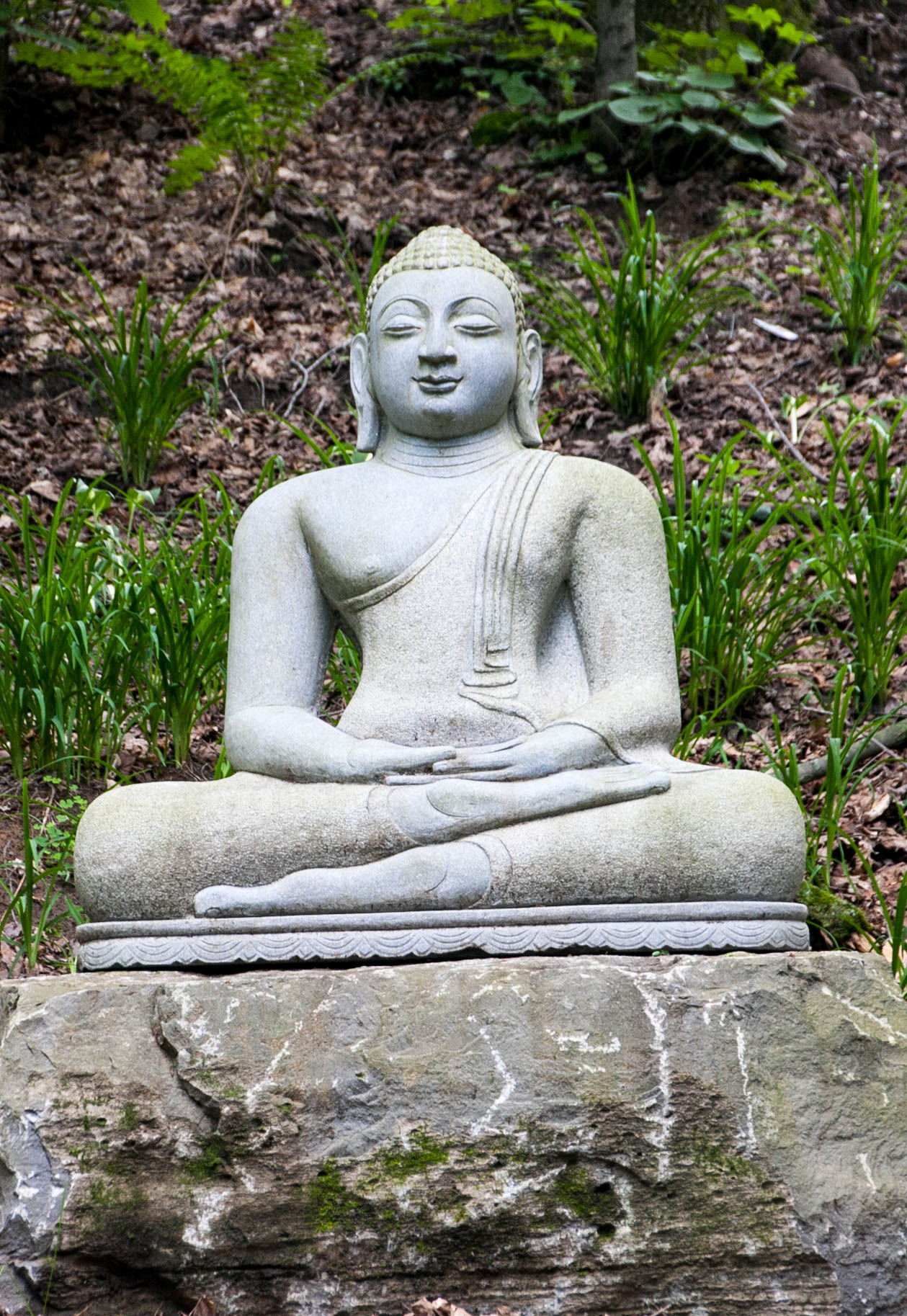
From a Buddhist perspective,
we see the “Oneness” as the supreme consciousness of Nibbana, the “Dignity” reflected in the Sangha (our collective community), and the “Connectedness” found in the Dharma—the profound truths of how we exist within the natural world.
In Hindu philosophy,
these values resonate through the triad of Brahma (the Creator/Oneness), Shiva (the destroyer of illusions/the challenges of human growth), and Vishnu (the preserver/protector of our natural and cosmic balance).
While the language and the metaphors differ, the core message remains the same: we are all part of an infinite, interconnected whole. No matter your personal background or beliefs, these principles offer a common language to help us understand our place in the universe.
The Sanctuary as a Living Classroom
At Humanics, we don’t believe that subscribing to one tradition means ignoring the beauty of others. Instead, we use our park as a “living classroom” where we can celebrate these analogous perspectives side-by-side.
Whether you are here for a quiet walk, a moment of meditation, or simply to admire the artistry of our sculptures, we invite you to look closer. Each piece of art in our park is a conversation starter. A way to explore how different cultures have spent centuries trying to answer the same fundamental questions about life, dignity, and our duty to the Earth.
We encourage you to visit us with an open mind. As you walk the ravine, ask yourself: How do I see these values reflected in the trees, the creek, and the art that surrounds me?
Ready to Explore?